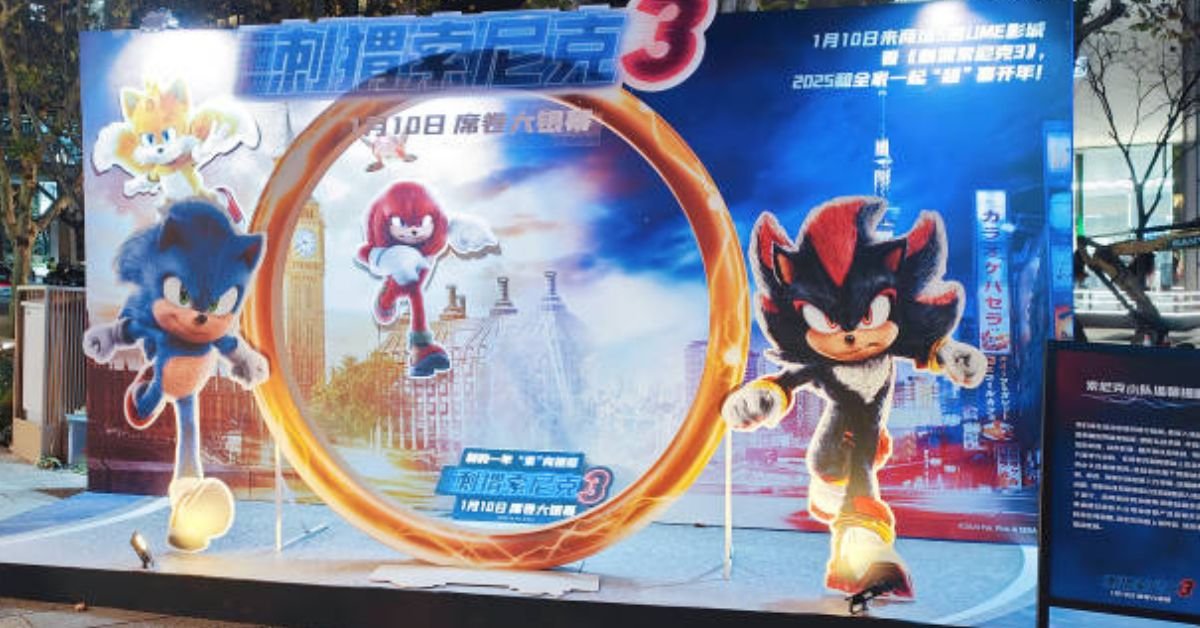
Sonic the Hedgehog wasn’t the spiky, blue speed demon we know and love. Sounds crazy, right? But sonic before and after transformations are exactly what fans have witnessed over the decades from pixelated beginnings to cinematic masterpieces. Whether you’re a retro gamer or a sonic movie enthusiast, this journey will blow your mind. Buckle up, because we’re about to take a blast from the past to the future of Sonic.
The Humble Beginnings: Original Sonic Design (1991)
It all started on a Genesis console in 1991. Yuji Naka and Naoto Ohshima crafted the original sonic design: a round, spiky creature with big, curious eyes. This blue hedgehog was meant to be:
- Fast (obviously).
- Attitude-packed (Sonic’s smirk said it all).
- Rebellious (against Nintendo’s Mario dominance).
The First Sonic Sketch: Naoto Ohshima drew inspiration from:
- Felix the Cat (1920s cartoon character).
- Santa Claus (red hat → blue spikes).
- Michael Jackson (moonwalk → spin dash).
Fun Fact: Sonic’s iconic gloves? They’re not just stylish. They help him grip and spin faster. Who knew gloves could be a game-changer?

Longclaw Sonic: The Forgotten Prototype (1990)
Before the world met Sonic, there was Longclaw, a female hedgehog designed to be his companion. This prototype was scrapped but resurfaced in:
- Comic books (IDW Sonic series, 2019).
- Sonic Boom animated shows (2014).
Why was Longclaw shelved? Sega wanted a solo male hero to compete with Mario. But fans are still clamoring for her return. Imagine Sonic and Longclaw teaming up—epic!
Sonic Movie Original Design: A Polarizing Reinvention (2020)
Fast forward to The Sonic Movie (2020). Fans were divided over the new design:
- Bulkier body (muscle definition).
- Different facial structure (less cartoonish).
- Still blue, still spiky.
The Reaction:
- Critics: “Too human, not enough hedgehog.”
- Fans: “He looks like Jim Carrey in a blue onesie!”
But here’s the kicker: Ben Schwartz (voice of Sonic) loved it. He said:
“Sonic’s design is bolder, more confident. It’s not about being ‘correct’; it’s about feeling the speed.”
Sonic Before and After: CGI Evolution
Let’s compare Sonic’s visual journey:
| Era | Sonic’s Look | Key Feature |
|---|---|---|
| 1991 (Genesis) | Pixelated, big eyes, small nose | Speed shoes |
| 2006 (XBOX 360) | Smooth CGI, slimmer face | Over-the-top animations |
| 2011 (Sonic Generations) | Retro & modern Sonic merge | Time-travel storyline |
| 2020 (Sonic Movie) | Bulkier, human-like muscles | Realistic CGI |
| 2025 (Upcoming Games) | Ray-traced graphics, dynamic hair physics | Hyper-realistic speed |
The Tech Behind It:
- 1991: 16-bit sprites (10 frames per second).
- 2025: Real-time ray tracing (120 FPS on next-gen consoles).
Why Sonic’s Design Matters: More Than Just Aesthetics
Sonic’s before and after transformations aren’t just for cosmetic appeal. They reflect:
- Technological advancements (from 2D to 4K).
- Changing gamer expectations (realism vs. cartoonish fun).
- Cultural shifts (from retro nostalgia to modern blockbusters).
A Fan’s Take:
“I grew up with pixel Sonic. Now, seeing him in 4K CGI feels like meeting a long-lost friend—yet, totally new.”
The Impact of Sonic’s Evolution on Pop Culture
Sonic isn’t just a game character; he’s a cultural icon:
- Merchandise: From $500 limited edition figurines to IKEA Sonic lamps.
- Memes: “Sonic running” = symbol of chaos (Twitter, Reddit).
- Collaborations: Sonic x Nike (limited-edition shoes), Sonic x Microsoft (Azure gaming servers).
Did you know? Sonic was inducted into the World Video Game Hall of Fame (2016). Not bad for a blue hedgehog.

Pros, Cons, and Fan Debates
Pros of Modern Sonic:
- Immersive storytelling (movies, games).
- Smoother animations (no more glitchy spins).
- Global appeal (kids love the movies, adults nostalgia-fy the games).
Cons:
- Lost charm (some say he’s too realistic now).
- Over-commercialization (too many spin-offs).
- Design controversies (2020 movie backlash).
The Great Debate:
- Team Classic: “Keep Sonic pixel-perfect.”
- Team Modern: “Give us realistic graphics and story depth.”
Frequently Asked Questions:
Q: Why did Sonic’s design change so much over the years?
A: Tech advancements and audience growth. Sega shifted from 2D charm to 3D blockbusters to stay relevant.
Q: Will the original Sonic design make a comeback?
A: Likely. Rumors hint at a retro-themed Sonic game (2026) revisiting 90s aesthetics.
Q: What’s the best Sonic game for nostalgic value?
A: Sonic CD (1993). It’s time-travel awesomeness still holds up today.
Q: Is the Sonic movie design here to stay?
A: Yes. Paramount Pictures confirmed 3 more movies with the same CGI design
CONCLUSION
Sega’s roadmap hints at:
- Sonic X Shadow Generations 2 (multiplayer focus).
- Sonic Prime (Netflix animated series, 2025).
- AR Sonic Experience (smart glasses integration).
CLICK HERE FOR MORE BLOG POSTS

There’s a certain weight in the words John Authers writes—not just because of what he knows, but how he shares it. His voice doesn’t just echo facts; it builds meaning. In a world overwhelmed by rushed opinions and robotic summaries, John’s writing feels… different. It feels lived-in, thoughtful, and deeply human.
Readers don’t turn to John for headlines—they come for context. They come for that rare blend of clarity, insight, and emotional depth that turns financial journalism into something closer to storytelling. His reflections on markets, geopolitics, or human behavior aren’t just readable—they’re relatable.
What sets John apart isn’t just his experience (though he has plenty of it). It’s his ability to pause, reflect, and explain the why behind the what. He writes like someone who’s been in the room where it happens—but never forgets the reader who hasn’t.
In 2025, when AI churns out articles in milliseconds, John Authers still writes like a human—and that, more than anything, is what makes his work worth reading.