Coat of arms of the Dukes of York and wondered about the story behind its symbols? You’re not alone. This isn’t just a random collection of lions and fleurs-de-lis; it’s a complex heraldic biography, a visual narrative that traces the title’s journey through history, conflict, and royal lineage. For historians, genealogists, or anyone with a passion for symbolism, understanding this shield is like learning to read a forgotten language.
The problem is, most explanations get lost in dry, technical jargon. They tell you what is on the arms, but rarely why. Why a specific lion? What does a red hand have to do with British royalty? And how does the ancient coat of arms of Ulster fit into the picture We’re going to unravel these threads, connecting the dots from medieval battles to the modern monarchy, and even answer the perennial question: what are the 9 counties of Ulster that this heraldry represents? Let’s begin the deciphering.
A Royal Blueprint: Breaking Down the Components
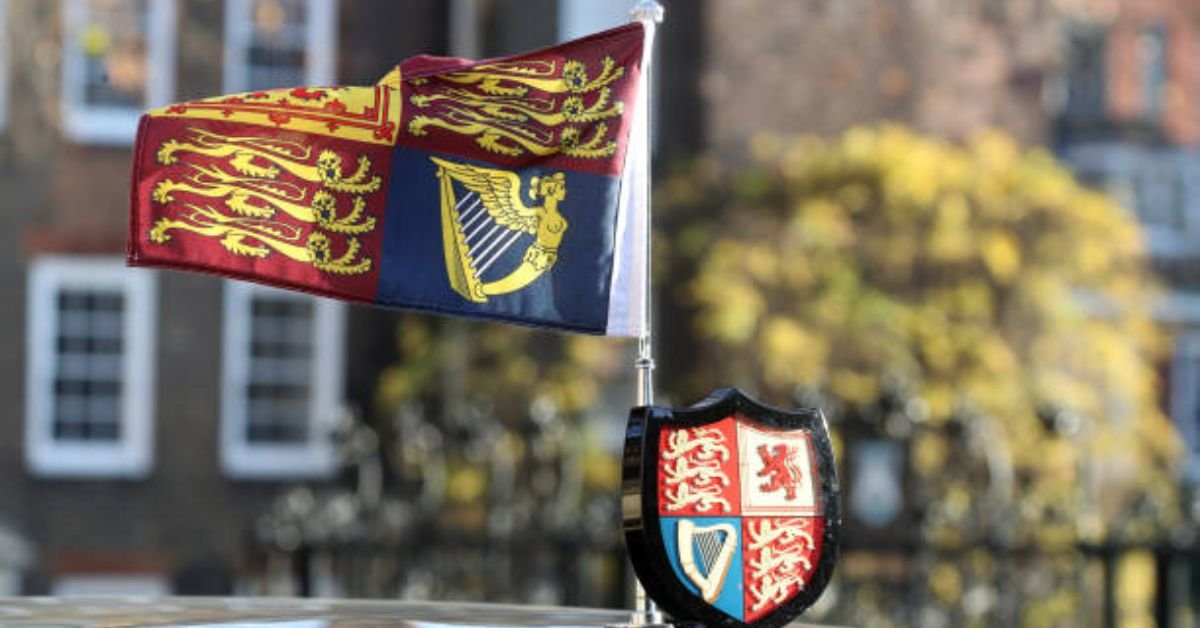
The arms are quartered, meaning divided into four sections, a common practice to display inherited titles and claims. It’s a patchwork of royal ancestry.
The English Lions (1st & 4th Quarters)
The most famous element: three golden lions, or leopards, passant guardant on a red field. This is the royal arms of England, introduced by Richard the Lionheart. Its presence here immediately signals the bearer’s direct descent from the Plantagenet line, anchoring the Duke of York firmly within the core of English royalty.

The Scottish Lion (2nd Quarter)
A red, rampant lion inside a double royal tressure flory-counter-flory on a gold field. This is the royal arms of Scotland. Its inclusion signifies the Duke’s claim to the Scottish throne through his descent from the Stuart monarchs. It’s a bold statement of a historical, and often fraught, union.
The Irish Harp (3rd Quarter)
A golden harp with silver strings on a blue field. This represents the Kingdom of Ireland and the title of Lord of Ireland, historically held by the English and later British monarch. It completes the trio of kingdoms that formed the core of the realm.
The Label of Cadency: The Mark of a Second Son
This is the crucial identifier. Superimposed over the entire shield is a white label of three points. In English heraldry, this is the mark of the second son. Since the Dukedom of York is traditionally granted to the monarch’s second son, this label distinguishes his arms from the sovereign’s. It’s a symbol of proximity to the throne, with a built-in acknowledgment of being the “spare.”
The Ulster Connection: A Title Within a Title
Now, let’s address that mysterious red hand. This is where the coat of arms of Ulster comes crashing into our story. The full achievement of a Duke of York includes what’s known as “supporters” (the figures holding up the shield) and a crest.
The crest, sitting atop the helmet, features a crowned lion emerging from a coronet. But more intriguing is the dexter supporter (the one on the viewer’s left): a crowned lion, similar to the English beast. It’s the sinister supporter (on the right) that tells a more specific tale.
This figure is a white hart (a stag), gorged with a coronet, from which is chain affixed to a gold line, and reflexed over the back. This supporter is directly borrowed from the coat of arms of Ulster. But why?
The answer lies in a secondary title. The Duke of York also holds the title “Baron Killuloagh, County of Armagh.” This barony is intrinsically linked to the old Ulster Kingdoms. By incorporating the white hart, the arms visually declare the Duke’s lordship over lands in Ulster. It’s a heraldic hyperlink to a specific part of the realm.
The Geography of the Grant: What Are the 9 Counties of Ulster?
To fully grasp the weight of this Ulster symbol, we need to understand the region it represents. When people ask, “what are the 9 counties of Ulster?” they are referring to the historic province’s geographical and cultural footprint.
The nine counties are:
- Antrim
- Armagh
- Cavan
- Donegal
- Down
- Fermanagh
- Londonderry (or Derry)
- Monaghan
- Tyrone
This list is crucial for context. It’s important to note that today, six of these counties (Antrim, Armagh, Down, Fermanagh, Londonderry, and Tyrone) form Northern Ireland, which is part of the United Kingdom. The other three (Cavan, Donegal, and Monaghan) are part of the Republic of Ireland. The coat of arms of Ulster, and by extension the Duke’s heraldry, historically represents the entire province, a reminder of a time when the English crown’s claim spanned all nine.
A Living Legacy: From Medieval Claim to Modern Symbol
The coat of arms of the Dukes of York is not a static relic. It is a living emblem that has been borne by some of the most fascinating figures in British history.
- The First Dukes: The title was first created in the 14th century for Edmund of Langley, son of King Edward III. His line would eventually produce the infamous Yorkist kings during the Wars of the Roses, who used variations of these arms.
- The Modern Dukes: In more recent times, the title was held by King George V’s second son, the popular Prince Albert (later King George VI), and most famously, by Prince Andrew, to whom it was granted by Queen Elizabeth II in 1986.
A historian specializing in royal genealogy once remarked, “You can trace the entire path of the Yorkist claim to the throne just by following the evolution of one label on a shield. It’s all there, for those who know how to look.”
This continuity is powerful. The arms connect the current royal family directly to centuries of tradition, embodying a history of succession, conflict, and the enduring structure of the monarchy itself.
Frequently Asked Questions
Q1: What does the red hand on the Ulster coat of arms mean?
A: The Red Hand of Ulster is a legendary symbol with origins in Gaelic mythology. One popular legend tells of a race where a chieftain cut off his own hand and threw it to shore to claim the land. Historically, it became the symbol of the O’Neill dynasty, the most powerful Gaelic lords in Ulster. It was later incorporated into the official coat of arms of Ulster as a symbol of the province itself.
Q2: Why are there three lions on the Duke of York’s coat of arms?
A: The three lions (technically called lions passant guardant) are the Royal Arms of England. They represent the Duke of York’s direct descent from the English monarchy. This is the core element that establishes his royal status, inherited from his parent, the sovereign.
Q3: Is the title “Duke of York” always given to the second son?
A: Traditionally, yes. Since the 15th century, the Dukedom of York has been created for the second son of the English or British monarch. It’s a tradition steeped in heraldry, as seen in the three-point label on the arms. However, it is not an automatic right and is officially granted by the reigning monarch by letters patent.
Q4: What is the difference between the coat of arms of Ulster and Northern Ireland?
A: This is an excellent and common point of confusion. The coat of arms of Ulster is the historic banner for the entire nine-county Irish province. The Government of Northern Ireland, established in 1921, used a variation of this arms (the Red Hand and the Crown) on its flag. However, since the suspension of the Northern Ireland parliament in 1972, this flag is no longer in official use, while the coat of arms of Ulster remains the recognized historic symbol for the broader geographic and cultural region.
Conclusion
Coat of arms of the Dukes of York is far more than a decorative piece. It is a浓缩的历史, a map of royal descent, and a political statement all rolled into one. By understanding its components from the English lions to the mark of the second son, and the poignant link to the coat of arms of Ulster we unlock a deeper appreciation for the stories woven into the fabric of British history.
CLICK HERE FOR MORE BLOG POSTS

There’s a certain weight in the words John Authers writes—not just because of what he knows, but how he shares it. His voice doesn’t just echo facts; it builds meaning. In a world overwhelmed by rushed opinions and robotic summaries, John’s writing feels… different. It feels lived-in, thoughtful, and deeply human.
Readers don’t turn to John for headlines—they come for context. They come for that rare blend of clarity, insight, and emotional depth that turns financial journalism into something closer to storytelling. His reflections on markets, geopolitics, or human behavior aren’t just readable—they’re relatable.
What sets John apart isn’t just his experience (though he has plenty of it). It’s his ability to pause, reflect, and explain the why behind the what. He writes like someone who’s been in the room where it happens—but never forgets the reader who hasn’t.
In 2025, when AI churns out articles in milliseconds, John Authers still writes like a human—and that, more than anything, is what makes his work worth reading.